Engineering
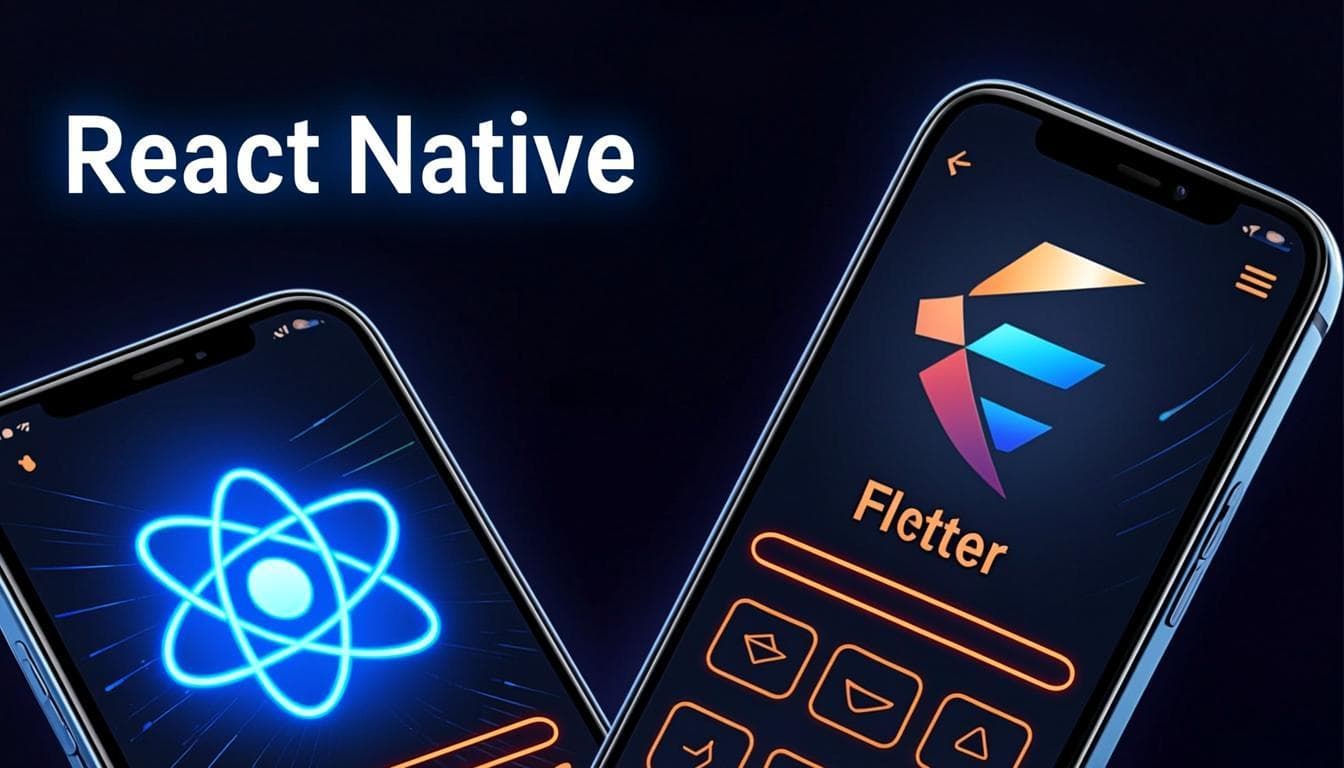
React Native vs Flutter in 2025
An honest comparison based on shipping 50+ mobile apps with both frameworks.
David Kim7 min read
React NativeFlutterMobile
A deep dive into production-tested patterns for microservices architecture on Kubernetes clusters.
Alex Volkov
CEO & Founder

Microservices architecture has become the de facto standard for building large-scale enterprise applications. When combined with Kubernetes, the orchestration platform that automates deployment, scaling, and management of containerized applications, you get a powerful foundation for building systems that scale effortlessly.
Kubernetes provides several critical capabilities that make it the ideal platform for microservices:
Deploy cross-cutting concerns like logging, monitoring, and security as sidecar containers. This keeps your microservices focused on business logic while maintaining observability.
Use an ambassador container to proxy connections to external services. This allows you to handle retries, circuit breaking, and monitoring without modifying your application code.
Externalize configuration using Kubernetes ConfigMaps and Secrets. This enables environment-specific settings without rebuilding container images.
Kubernetes and microservices are a natural pairing. By following these patterns and best practices, you can build systems that are resilient, scalable, and maintainable.
Read More
An honest comparison based on shipping 50+ mobile apps with both frameworks.

A practical guide to designing, building, and operating production-grade Kafka pipelines for enterprise data streaming.
Weekly deep-dives on engineering, AI, and design. No spam, ever.