Edge Computing: Processing Data Closer to the User
Introduction
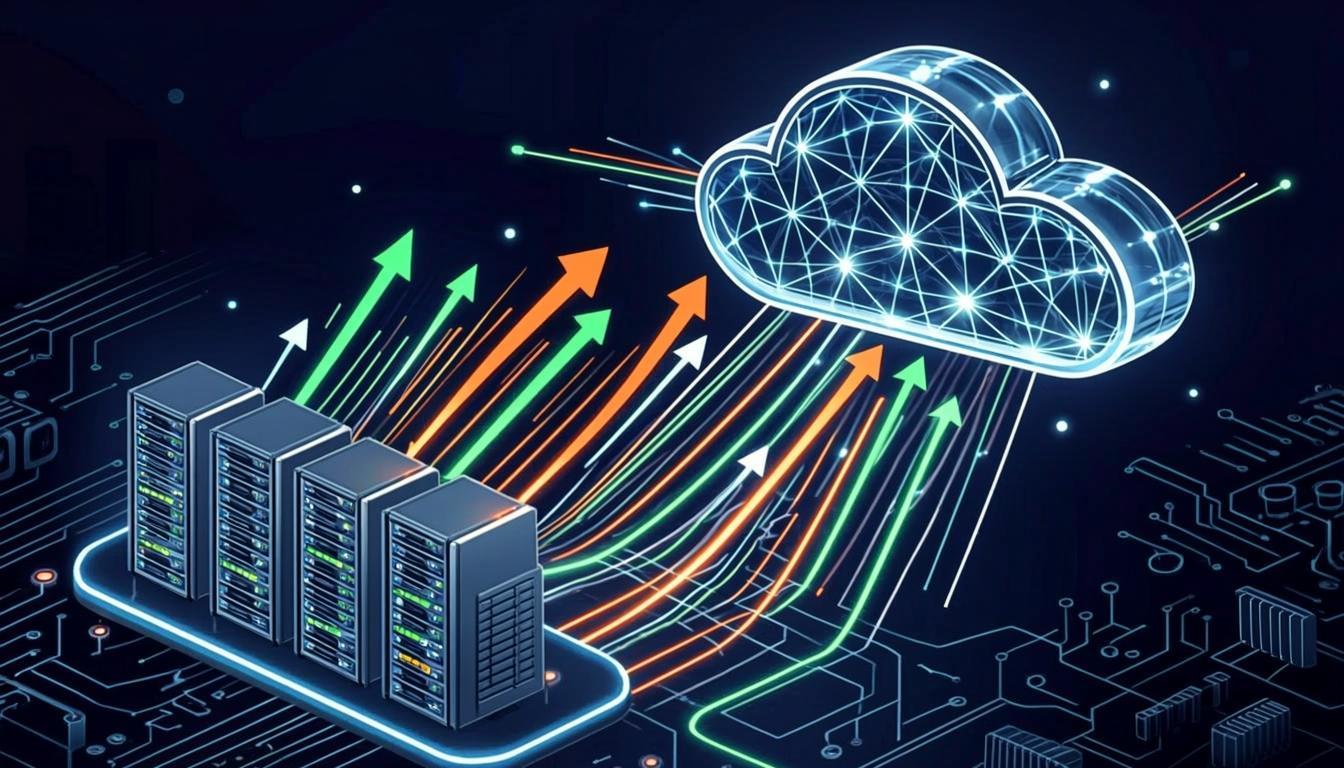
The digital world is becoming increasingly real-time. From streaming platforms and smart devices to autonomous systems and industrial IoT, modern applications generate and consume massive amounts of data every second. As organizations strive to deliver faster, more responsive digital experiences, traditional cloud computing architectures are beginning to show limitations - especially when it comes to latency-sensitive workloads. In conventional cloud models, data is transmitted from devices to centralized data centers for processing before results are sent back to users. While this approach works well for many applications, it introduces delays that can impact performance in real-time scenarios. This is where Edge Computing is redefining modern architecture. By shifting computation closer to where data is generated, edge computing enables faster processing, reduced latency, and improved responsiveness across digital systems.
What is Edge Computing?
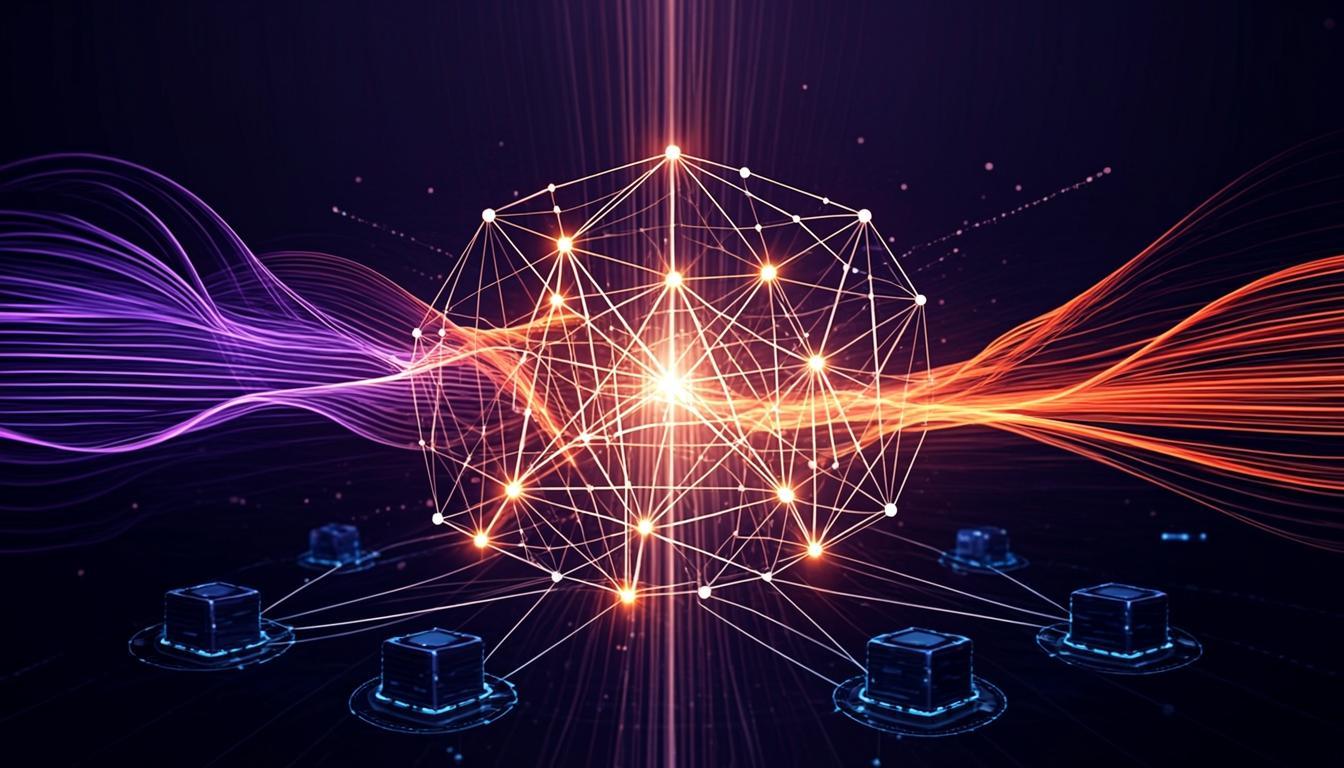
Edge computing is a distributed computing paradigm that brings computation and data storage closer to the source of data. Instead of relying solely on centralized cloud infrastructure, data is processed at or near the "edge" of the network - such as on local devices, edge servers, or regional data centers. This approach minimizes the distance data must travel, enabling near-instant processing and decision-making. Edge computing is particularly important for applications that require real-time responsiveness, high reliability, and continuous operation even in unstable network conditions.
Why Edge Computing Matters in Modern Architecture
Reduced Latency for Real-Time Applications
One of the most significant advantages of edge computing is its ability to drastically reduce latency. By processing data closer to the user or device, edge systems eliminate the delays associated with long-distance data transmission to centralized cloud environments.
This is critical for applications such as:
- Live video streaming
- Online gaming
- Augmented and virtual reality
- Industrial automation
- Real-time analytics systems
In these environments, even milliseconds of delay can significantly impact performance and user experience.
Enhanced User Experience
Modern users expect seamless, instant digital interactions. Edge computing ensures faster response times and smoother application performance by processing data locally rather than relying entirely on distant cloud infrastructure.
This leads to:
- Faster application responsiveness
- Reduced buffering and lag
- More reliable real-time interactions
- Improved customer satisfaction
For customer-facing applications, this directly translates into stronger engagement and retention.
Greater Reliability and System Resilience
Edge computing improves system reliability by enabling local processing even when connectivity to central cloud systems is limited or interrupted.
This makes it ideal for environments where continuous operation is critical, such as:
- Healthcare systems
- Manufacturing plants
- Remote monitoring systems
- Transportation networks
By decentralizing computation, organizations can ensure that essential services remain operational even under network disruptions.
Lower Bandwidth and Operational Costs
Transmitting large volumes of raw data to centralized cloud systems can be expensive and inefficient. Edge computing reduces bandwidth usage by processing data locally and sending only relevant insights or aggregated results to the cloud.
This leads to:
- Lower network costs
- Reduced cloud storage requirements
- More efficient data management
- Optimized infrastructure utilization
Key Use Cases of Edge Computing
Internet of Things (IoT)
IoT devices generate continuous streams of data from sensors, machines, and smart systems. Edge computing enables real-time processing of this data, allowing immediate responses without depending entirely on cloud connectivity. This is essential for smart homes, industrial IoT, and connected ecosystems.
Smart Manufacturing
In modern factories, edge computing plays a crucial role in enabling intelligent production systems.
It supports:
- Predictive maintenance
- Equipment monitoring
- Automated quality control
- Real-time process optimization
By processing data directly on the factory floor, manufacturers can reduce downtime and improve operational efficiency.
Healthcare and Medical Systems
Healthcare systems require immediate access to critical data. Edge computing enables real-time processing of patient information from medical devices, supporting faster diagnostics, monitoring, and emergency response systems. This can significantly improve patient outcomes in time-sensitive situations.
Autonomous and Connected Vehicles
Self-driving vehicles rely on continuous streams of data from sensors, cameras, and navigation systems. Edge computing ensures that this data is processed instantly, enabling real-time decision-making for:
- Obstacle detection
- Route optimization
- Safety systems
- Environmental awareness
In autonomous systems, low latency is not optional - it is essential for safety.
Challenges of Edge Computing
While edge computing offers significant advantages, it also introduces new challenges that organizations must address.
Security Complexity
With data being processed across distributed environments, securing edge nodes becomes more complex compared to centralized systems.
Infrastructure Management
Managing multiple distributed computing nodes requires advanced orchestration and monitoring capabilities.
Scalability Concerns
As edge deployments grow, ensuring consistent performance and governance across all nodes becomes increasingly challenging.
Data Governance
Organizations must ensure proper data handling, compliance, and synchronization between edge and cloud environments.
The Future of Edge Computing
The adoption of edge computing is accelerating rapidly due to advancements in:
- 5G connectivity
- Artificial Intelligence
- Machine learning at the edge
- IoT expansion
- Real-time analytics platforms
As these technologies continue to evolve, edge computing will become a foundational component of modern IT architectures. The future will not be defined by cloud or edge alone, but by hybrid architectures that intelligently combine both to optimize performance, scalability, and efficiency.
Conclusion
Edge computing represents a major shift in how organizations process and utilize data. By moving computation closer to users and devices, it enables faster decision-making, reduced latency, improved reliability, and more efficient use of network resources. In an increasingly connected world, where real-time experiences are becoming the norm, edge computing is no longer an emerging concept - it is a critical enabler of modern digital transformation. Organizations that adopt edge-first or hybrid cloud-edge strategies will be better positioned to deliver intelligent, responsive, and scalable digital experiences in the future.